How Crop Management Software Helps Farmers Maximize Yields

In the age of digital transformation, farming is evolving beyond traditional practices. Today’s farmers are turning to technology to overcome challenges such as unpredictable weather, resource constraints, pest control, and the need to feed a growing global population. One of the most powerful innovations leading this change is crop management software—a type of agriculture software designed to help farmers make smarter decisions and, most importantly, maximize crop yields.
Crop yields have always been the primary measure of farm success. But reaching peak productivity now requires more than just experience and intuition. With rising input costs and environmental pressures, farmers must use data and automation to stay competitive. That’s where crop management software becomes indispensable.
What Is Crop Management Software?
Crop management software is a specialized component of broader agriculture farm management platforms. It enables farmers to plan, monitor, and analyze all aspects of crop production—from planting and irrigation to pest control and harvesting. By digitizing field operations and centralizing farm data, this software helps farmers enhance productivity, reduce waste, and improve decision-making.
1. Optimized Planting and Seeding Decisions
The success of any harvest begins with the right planting strategy. Crop management software allows farmers to:
Analyze historical yield data
Consider soil health and moisture levels
Incorporate real-time weather forecasts
Create customized planting schedules
With this information, farmers can determine the best time to sow seeds, the ideal crop variety for each field, and the right seed density. This strategic approach improves germination rates and sets the foundation for a healthy, high-yield crop.
2. Efficient Fertilizer and Pesticide Application
Overuse or misuse of fertilizers and pesticides can lead to poor soil health, environmental damage, and wasted inputs—all of which negatively impact yields. Crop management software helps solve this by:
Mapping nutrient requirements based on soil tests
Tracking input usage by field and crop
Setting reminders for application schedules
Ensuring compliance with local regulations
This level of precision ensures crops receive the right nutrients at the right time, resulting in healthier plants and improved productivity.
3. Real-Time Crop Monitoring and Alerts
Modern agriculture software often integrates with sensors, drones, and satellite imaging tools. These technologies provide real-time data on crop health, enabling farmers to:
Detect early signs of disease or pest infestation
Monitor plant growth stages
Assess leaf moisture and canopy temperature
Adjust treatment plans based on actual conditions
By acting on these insights promptly, farmers can prevent minor issues from escalating into major yield losses.
4. Smart Irrigation Management
Water is a critical resource, especially in regions facing drought or irrigation restrictions. Crop management software supports smart water usage by:
Monitoring soil moisture through sensors
Predicting irrigation needs using weather data
Automating irrigation systems to deliver precise amounts
Preventing overwatering or waterlogging
Efficient water use not only conserves resources but also promotes optimal crop development, leading to higher yields.
5. Data-Driven Decision-Making
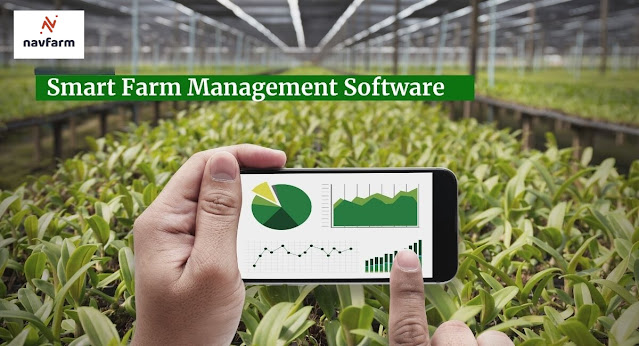
Data is at the core of successful agriculture farm management. Crop management software consolidates field data, historical trends, and real-time metrics into visual dashboards and reports. With this, farmers can:
Identify high-performing fields or crop varieties
Evaluate ROI on various inputs
Plan rotations to maintain soil health
Compare year-over-year performance
These insights enable farmers to refine their strategies season after season, constantly improving productivity and output.
6. Streamlined Task and Labor Management
Timely execution of tasks such as spraying, thinning, or harvesting is vital for crop health. A robust crop management system includes task scheduling features that help farm managers:
Assign tasks to workers with deadlines
Track completion status in real-time
Record labor costs and productivity
Set automated alerts for critical activities
This operational efficiency ensures that every action is executed at the optimal time—critical for protecting and increasing yields.
7. Better Planning and Forecasting
Using a mix of historical performance and predictive analytics, agriculture software enables more accurate forecasting. Farmers can:
Estimate expected yields by field or crop type
Plan logistics for storage and transportation
Align production with market demand
Reduce post-harvest losses
Forecasting tools allow better preparation and help farmers capitalize on high-demand markets without the risk of overproduction or under-delivery.
8. Compliance and Traceability
Consumers, retailers, and regulatory bodies increasingly demand transparency in food production. Crop management software helps farmers document:
Input usage and application records
Harvest dates and storage conditions
Certification and audit reports
Maintaining digital records improves market access and builds trust with stakeholders, which can lead to better sales and incentives.
9. Integration with Full Farm Management Systems
When crop management software is part of a larger agriculture farm management platform, the benefits multiply. It can integrate with modules for financial tracking, livestock care, inventory control, and machinery maintenance. This creates a unified system where every aspect of farm operations is connected, allowing holistic optimization and seamless growth.
Conclusion
Maximizing yields in modern agriculture is no longer just about favorable weather and good seeds. It’s about using the right tools to make informed, efficient, and sustainable choices. Crop management software empowers farmers to optimize every step of the crop lifecycle—from planning and planting to monitoring and harvesting.
By leveraging advanced agriculture software as part of a complete agriculture farm management strategy, farmers can not only boost their yields but also increase profitability, conserve resources, and future-proof their operations against climate and market uncertainties.


Comments
Post a Comment